


Extrusion Tips and Dies
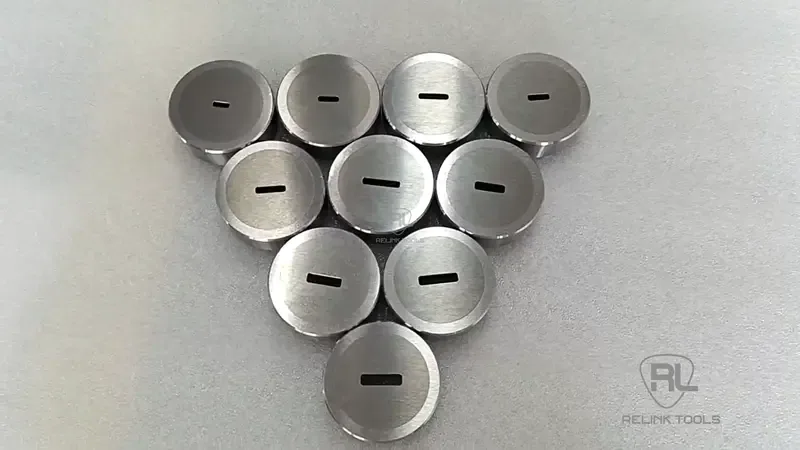
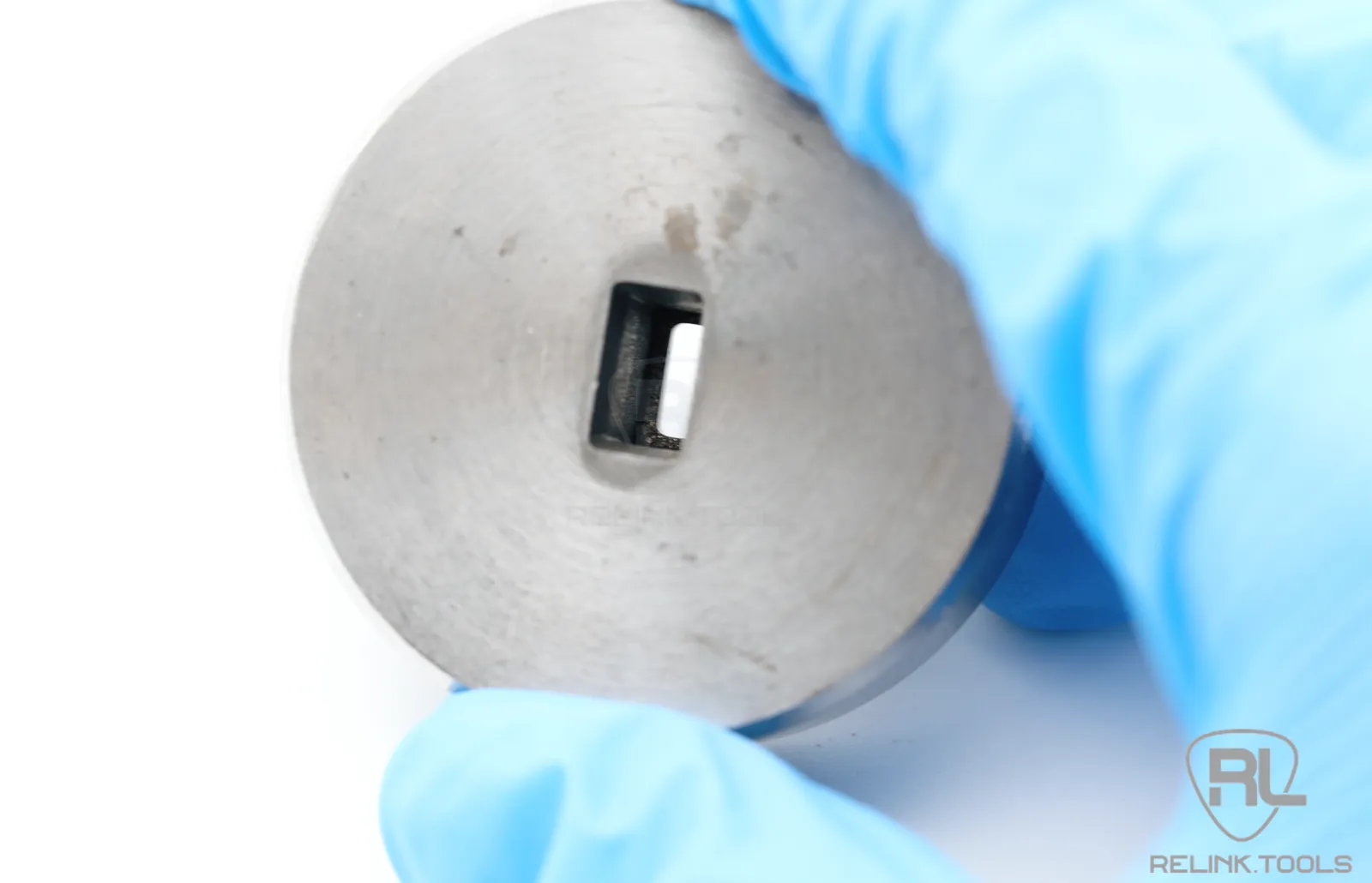
Extrusion tips and dies shape the insulation or jacket around the conductor on wire and cable extrusion lines. Relink.Tools supplies compatible tips and dies matched to your crosshead model.
Low- and high-temperature extrusion tips and dies for the insulated wire sector, in tool sets with or without carbide inserts. Guides, dies, breaker plates and nitrogen injectors are available, as well as a tool-cleaning device.
Overview
Overview
Key Feature of Relink Extrusion Tools
When it comes to wire and cable manufacturing, choosing the right extrusion tips and dies is crucial for ensuring product quality and production efficiency.
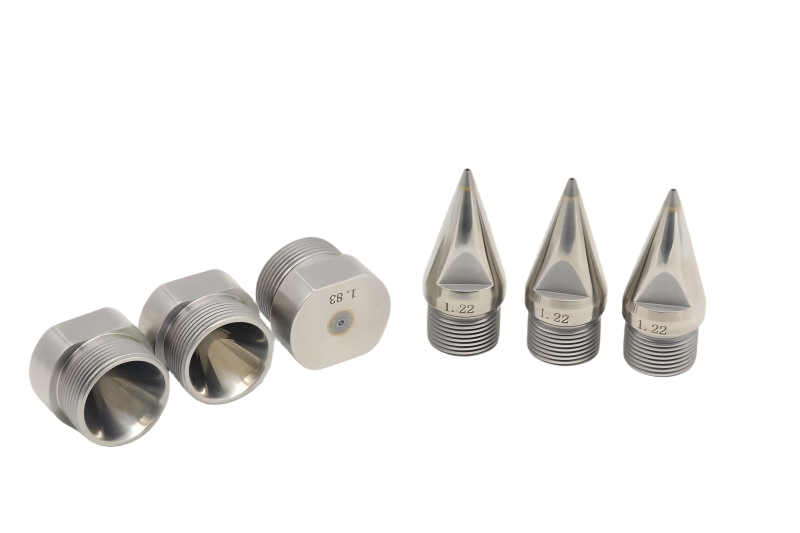
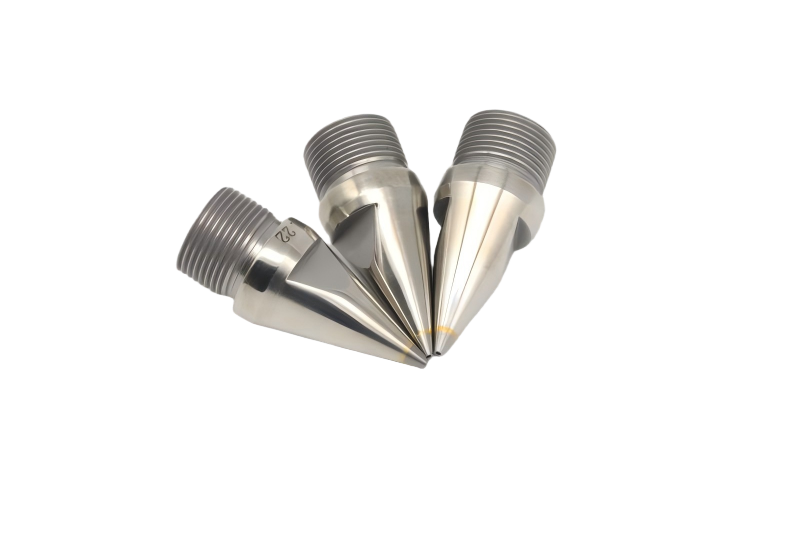
Relink extrusion tips and dies are supplied for wire and cable insulation and sheathing applications. Our tools ensure optimal material flow, minimal waste, and consistent product quality even under demanding production conditions.
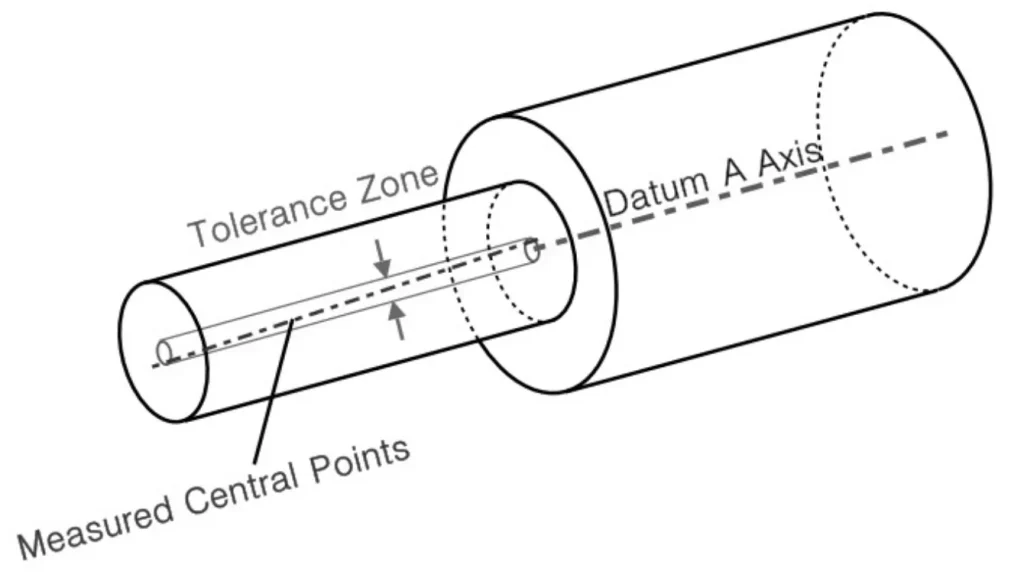
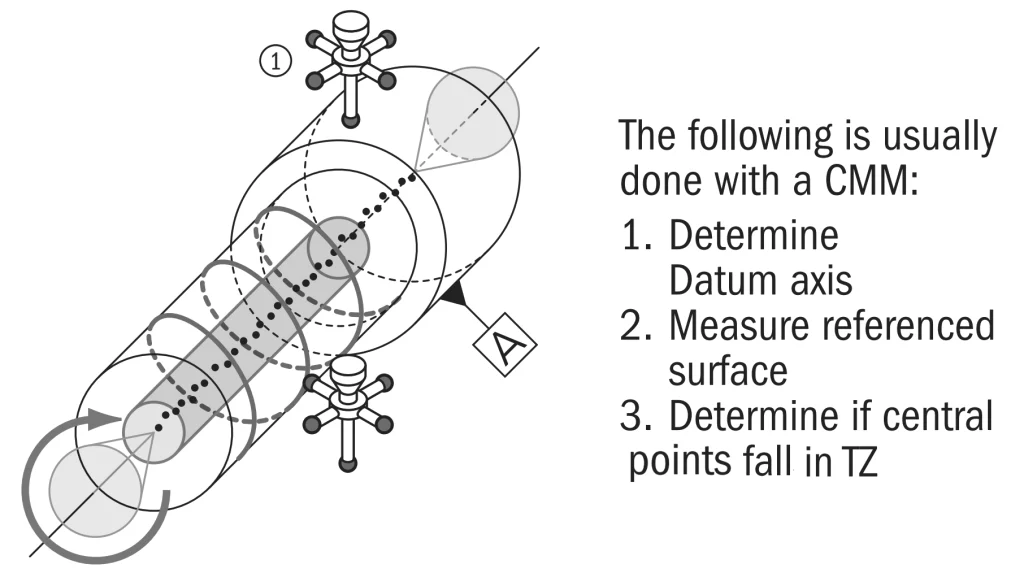
Ultra-Tight Concentricity
Concentricity is made to your drawing tolerance and confirmed per order. A correctly matched tip and die keep the insulation wall uniform around the conductor, which reduces material consumption, minimises scrap and improves the electrical performance of the finished cable.
Super-Hard Material Inserts
Wire guides and dies are available with premium natural or polycrystalline diamond (PCD) and tungsten carbide inserts. These materials provide superior hardness and resistance to abrasion, allowing tools to maintain performance at high extrusion speeds without rapid wear.
Extended Tool Life
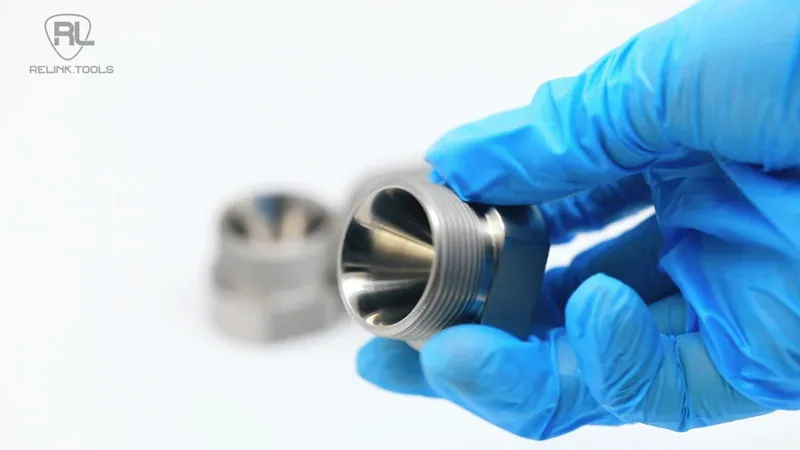
Thanks to the extreme durability of diamond and carbide components, Relink tools offer significantly longer service life compared to standard steel tooling. This reduces downtime for tool changes and reconditioning, lowering overall production costs.
Uniform Insulation and Material Savings
Precise guidance and die design enable consistent wall thickness, preventing eccentric insulation that could lead to cable failure. Customers benefit from reduced polymer usage and lower reject rates.
Suitable for High-Speed Extrusion
Our tools are optimized for modern high-line-speed processes, maintaining stability and precision even at elevated temperatures and pressures common in LV/MV/HV cable manufacturing.
Custom Tooling Options
Relink offers fully customized extrusion tips, dies, and guides tailored to your specific conductor sizes, insulation materials, and production requirements.
Product Series
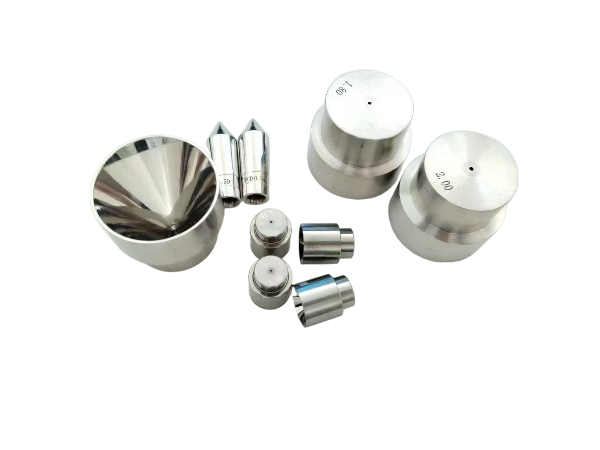
Extrusion Guides & Dies
Description:
Materials include steel, carbide and diamond. Precision guides and dies for cable extrusion, available in steel, carbide or diamond. Suitable for PVC, PE, PU, PEEK, rubber cables, and fiber optics.
Applications:
Used in low, high, and very high voltage cables, submarine, railway, aeronautics, automotive, and medical industries.
Key Features:
High concentricity, wear resistance, and compatibility with various crossheads (e.g., 4/6, 12/14).
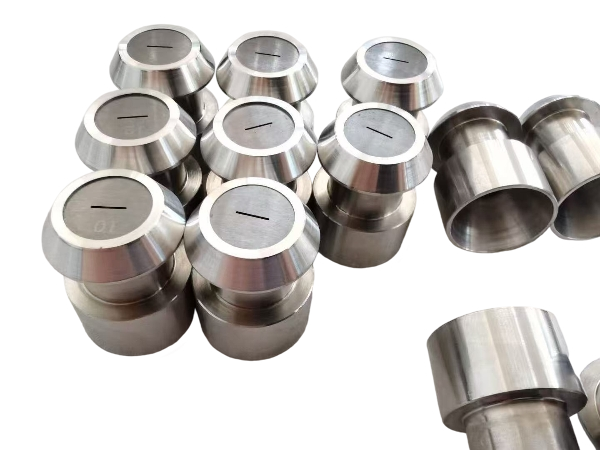
Diamond-Tipped Guides
Description:
Guides with diamond inserts (0.10 to 5 mm) designed for high-speed cable insulation.
Applications:
Automotive, aerospace, energy, data, and telecom cables.
Key Features:
Reduces wear, ensures precise centering, minimizes material overuse, and enhances durability.
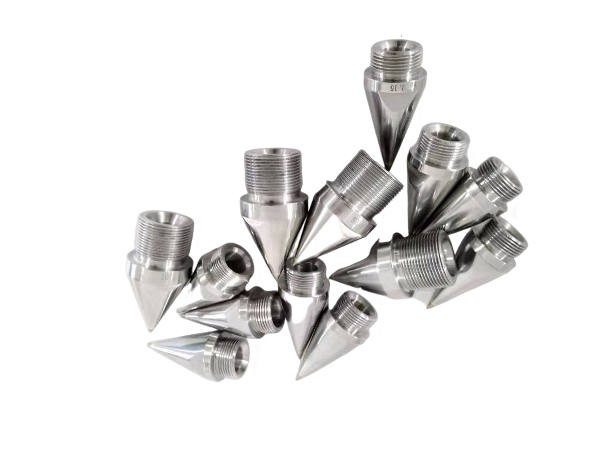
Breaker Plates
Description:
Hardened steel breaker plates for extrusion lines.
Applications:
Suitable for any extrusion line, ensuring consistent material flow.
Key Features:
Customizable dimensions, robust construction for high-performance extrusion.
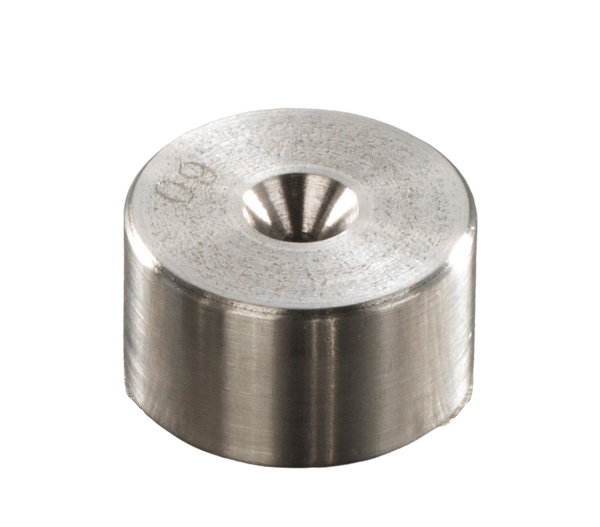
Nitrogen Injectors
Description:
Diamond-tipped nozzles for nitrogen injection in extrusion crossheads, with diameters starting from 1 µm.
Applications:
Specialized cable manufacturing requiring precise gas injection.
Key Features:
High precision, compatible with various crosshead sizes, and durable diamond tips.
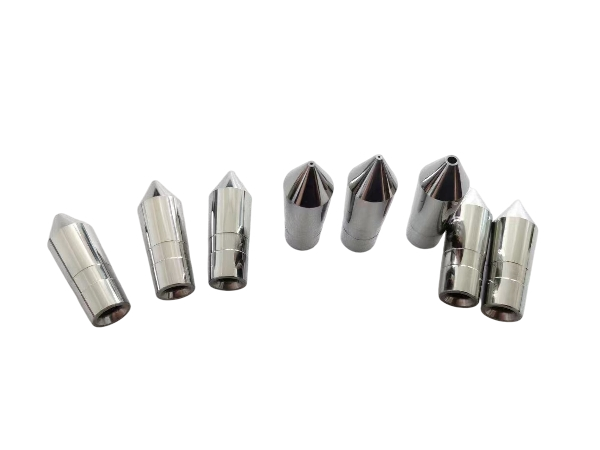
Extrusion Tool Cleaning Device
Description:
Cleaning system using an alumina oxide fluidized bath for extrusion tools.
Applications:
Maintenance of guides, dies, and other extrusion tools.
Key Features:
Short cleaning cycle, compatible with all materials, no tool damage, available as a standalone device.
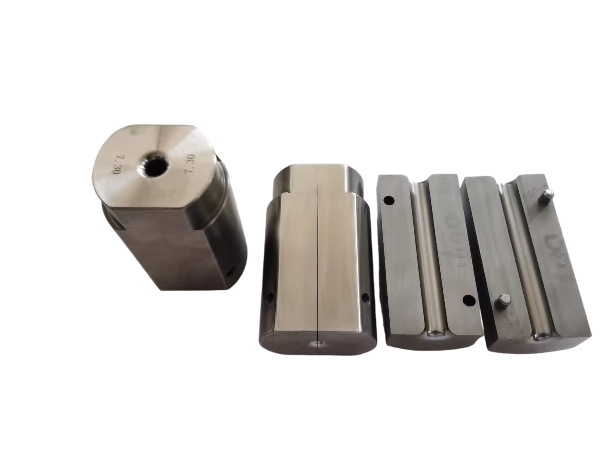
Custom-Made Extrusion Tools
Description:
Tailored guides, dies, and tools for special cables, including large dimensions (up to Ø350 mm, on request) and complex shapes.
Applications:
Submarine, high/very high voltage, aeronautics, and special-profile cables (e.g., coaxial, air/gas injection).
Key Features:
Custom geometries, high durability, suitable for aggressive environments.
Key Features
High-Precision Diamond Tools
Natural, monocrystalline or polycrystalline diamond (KPCS-compliant), oriented for wear resistance and low friction.
Versatile Extrusion Tooling
Diamond-tipped guides, breaker plates and nitrogen injectors, for PVC, PE, PEEK and other compounds, and for crosshead sizes such as 2/6, 4/6 and 12/14.
Specifications
Specifications
Relink extrusion tips, dies, and wire guides are supplied to meet the demanding requirements of modern wire and cable production. Below are the key technical parameters for our standard tooling range. Custom specifications are available upon request to match your specific conductor sizes, insulation types, and extrusion processes.
Available Tool Types
-
Extrusion Tips (Wire Guides): Single or multi-wire guidance for tubing or pressure extrusion.
-
Extrusion Dies: Controlling insulation or sheathing outer diameter.
-
Diamond-Tipped Guides: For high-wear resistance in demanding applications.
-
Carbide Inserts: Balanced durability and cost-effectiveness.
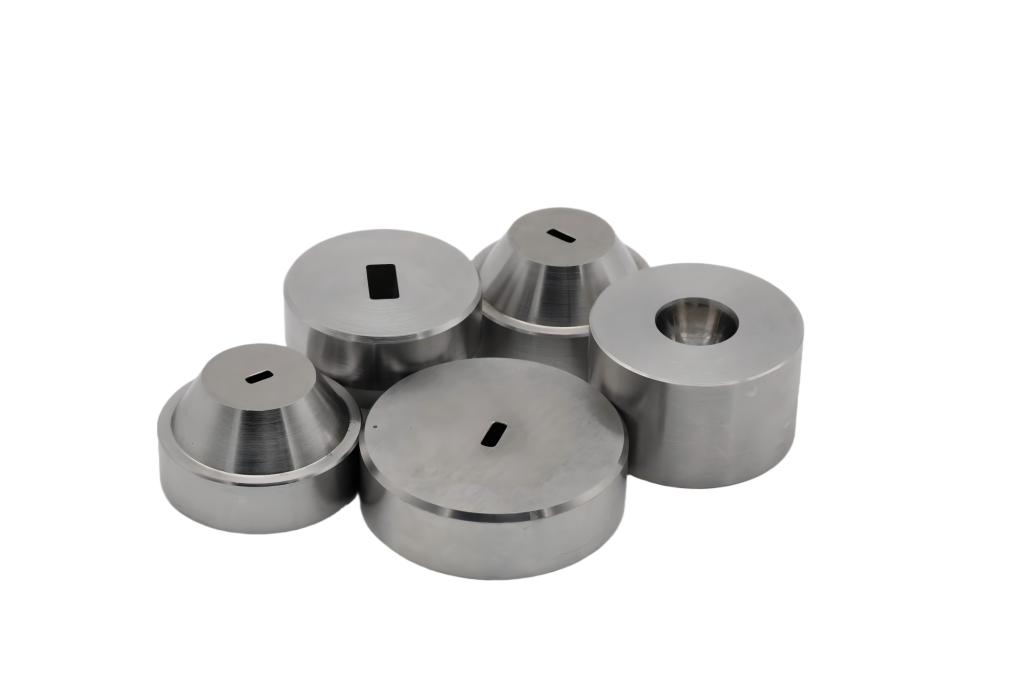
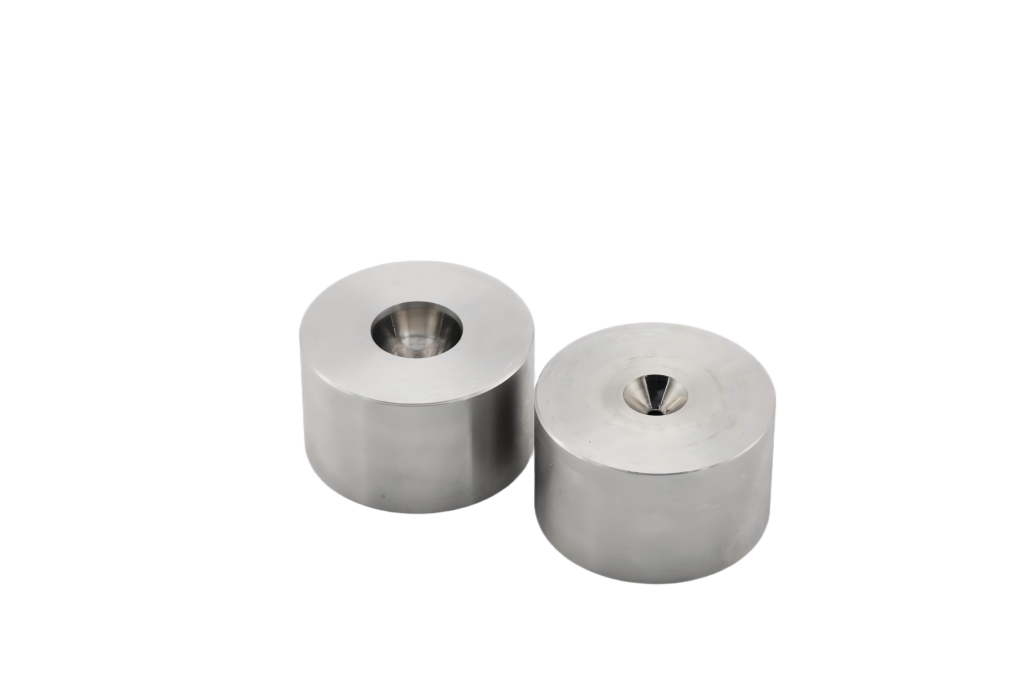
Size Ranges and Tolerances
Relink tools cover a wide range of conductor and cable diameters; tip and die sizes are matched to your crosshead model and cable on each order.
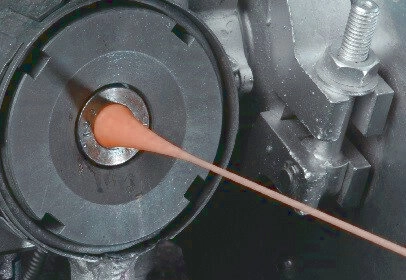
Dimensional Diagrams
For precise fitting in crossheads, Relink provides detailed drawings with key dimensions:
Material Options
-
Diamond (Natural or PCD): Highest wear resistance, ideal for high-speed lines.
-
Tungsten Carbide: Excellent durability for medium to high-volume production.
Custom Capabilities
Bespoke tooling designs are available, including specific die angles, land lengths, and multi-layer configurations for co-extrusion.
Compare
Comparison
Relink offers extrusion tips, dies, and wire guides with inserts in different materials to suit various production volumes, speeds, and budget requirements. The choice of material significantly impacts tool performance, longevity, and overall cost efficiency. Key materials include natural or polycrystalline diamond (PCD), tungsten carbide, and high-grade steel. Below is a detailed comparison to help you select the optimal tooling for your application.
Material Comparison Table
| Property | Cemented Carbide (Tungsten Steel) | High-Speed Steel (HSS) |
| Material Composition | WC + Co (Cobalt binder) | Fe-based steel + W, Mo, Cr, V, etc. |
| Hardness | Very High (≈ HRC 70+ or HRA 80+) | High (≈ HRC 60-66) |
| Wear Resistance | Excellent | Moderate |
| Heat Resistance | Retains hardness well at high temperatures | Loses hardness rapidly at high temperatures |
| Key Characteristics | Hard, wear-resistant, heat-resistant, but brittle and expensive | Tough, easy to sharpen, inexpensive, overall performance is slightly lower |
| Primary Applications | High-speed cutting, high-wear molds, heat-resistant parts | General-purpose cutting, drill bits, milling cutters, small-batch machining |
| Cost | High initial cost, but long service life | Low initial cost, shorter service life |
| Manufacturing Process | Powder metallurgy, pressing and sintering, precision grinding | Melting/Forging, heat treatment, grinding |
Extrusion tip options
| Tip insert material | Steel Tip | Solid Carbide Tip | Carbide Insert Tip | Diamond Insert Tip |
|---|---|---|---|---|
| Size range availability (1) | ||||
| Min. | .039”[1.0 mm] | .047”[1.2 mm] | .0276”[0.6 mm] | .0098”[0.25 mm] |
| Max. | 4.921”[125 mm] | .315”[8.0 mm] | .197”[5.0 mm] | .1575”[4.0 mm] |
Recommendations
-
Choose Diamond for maximum uptime and efficiency in continuous high-speed operations.
-
Choose Carbide for optimal cost-performance balance in most standard cable production.
-
Choose Steel/Alloys for specialty applications or lower-volume runs.
Relink experts can assist in selecting or customizing the right material combination for your specific needs.
FAQ
FAQ
What are extrusion tips and dies?
In wire and cable extrusion, the tip (also called the core or guider) guides the conductor through the crosshead, and the die shapes the molten insulation or sheath around it. Together they set the wall thickness and the concentricity of the finished cable.
How should extrusion tips and dies be properly aligned or adjusted during setup?
Common methods include empty alignment (dry fitting), gel run (hot material without wire), and wire run adjustments. Always loosen screws in a cross pattern before tightening to avoid damage. Tips and dies can be supplied to your crosshead model, and we can advise on setup.
What causes eccentricity or uneven insulation thickness, and how can Relink tools help prevent it?
Eccentricity often results from poor tool alignment, incorrect bearing lengths, improper taper angles, or worn inserts. A correctly sized, well-matched tip and die keeps the conductor centred and the wall even. Concentricity is made to your drawing tolerance and confirmed per order.
How does the tip (core) hole diameter affect cable quality?
The tip hole diameter controls conductor guidance and material distribution. Too small: Increases friction, risking conductor tension instability or breakage. Too large: Leads to uneven insulation thickness, eccentricity, or diameter fluctuations. Size the tip hole to your conductor diameter and material; send us both and we will recommend a size.
Why is the taper angle design important in extrusion dies, and what happens if it’s incorrect?
The inner taper angle of the die must be larger than the outer angle of the tip to create proper pressure and material flow. If the die angle is too small or equal, it can cause excessive pressure buildup, material scorching, or uneven flow. Tips and dies are supplied as matched sets, with taper angles to your drawing or crosshead model.
What are the differences between extrusion-style, tube-style, and semi-extrusion tooling for wire and cable?
Extrusion-style (no extended tip): Ideal for tight bonding between conductor and insulation, as the material is applied under pressure inside the crosshead. Best for core insulation requiring strong adhesion. Tube-style (long extended tip): Forms a loose tube that is drawn down onto the conductor, suitable for sheathing or applications needing less tight bonding. Semi-extrusion (short extended tip): A balanced approach with partial extension for moderate adhesion and control. All three configurations are available.
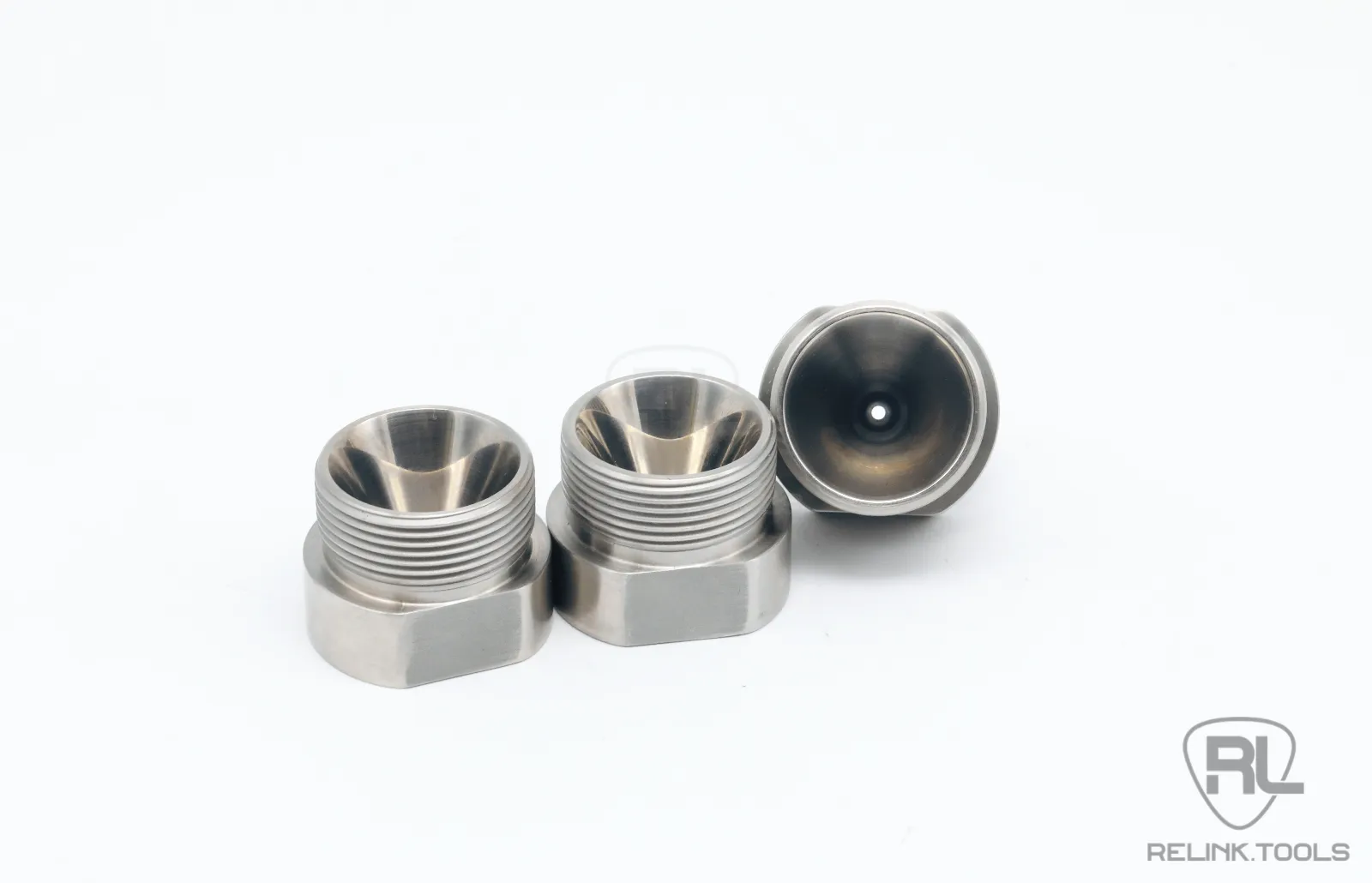
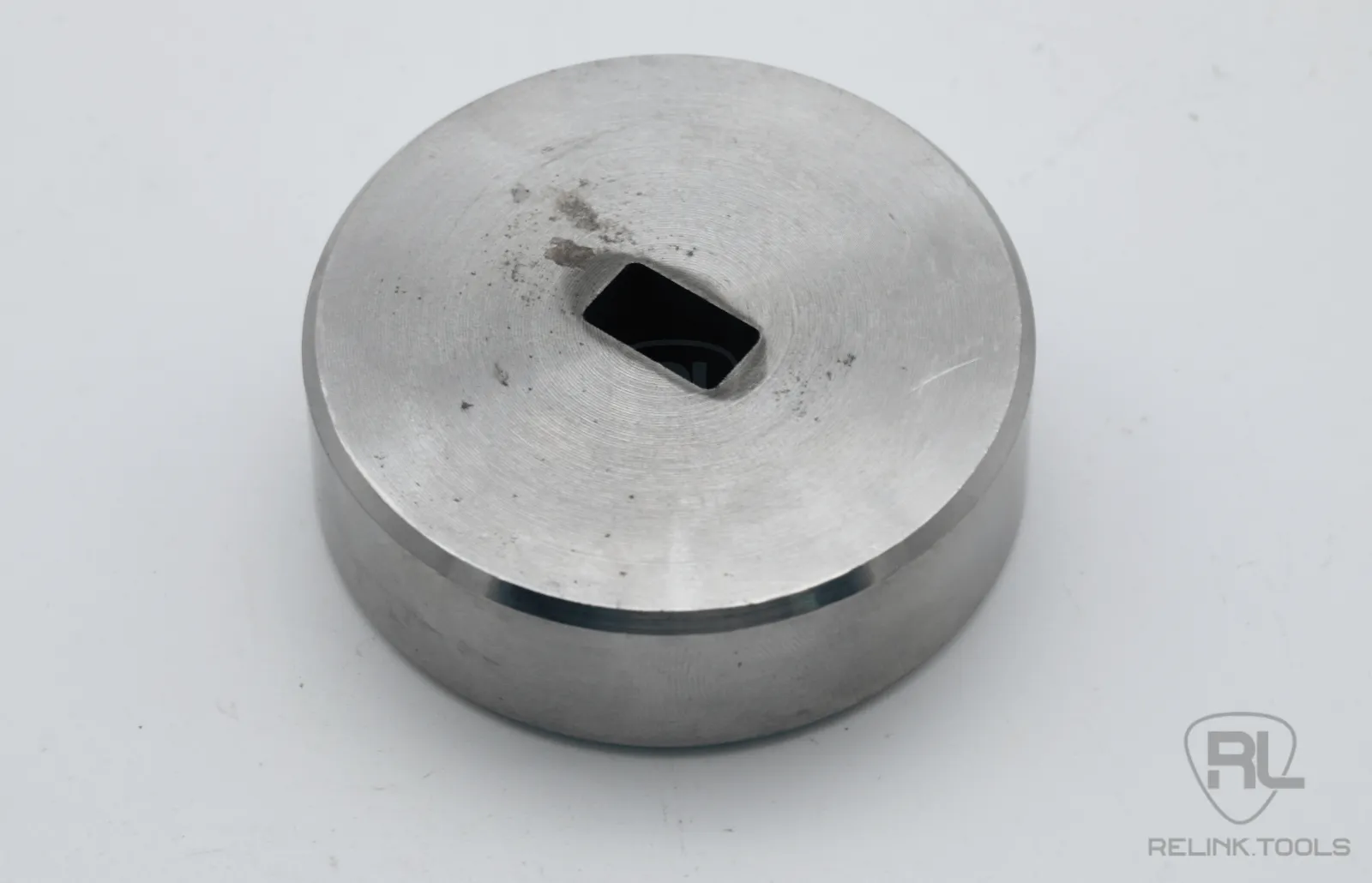
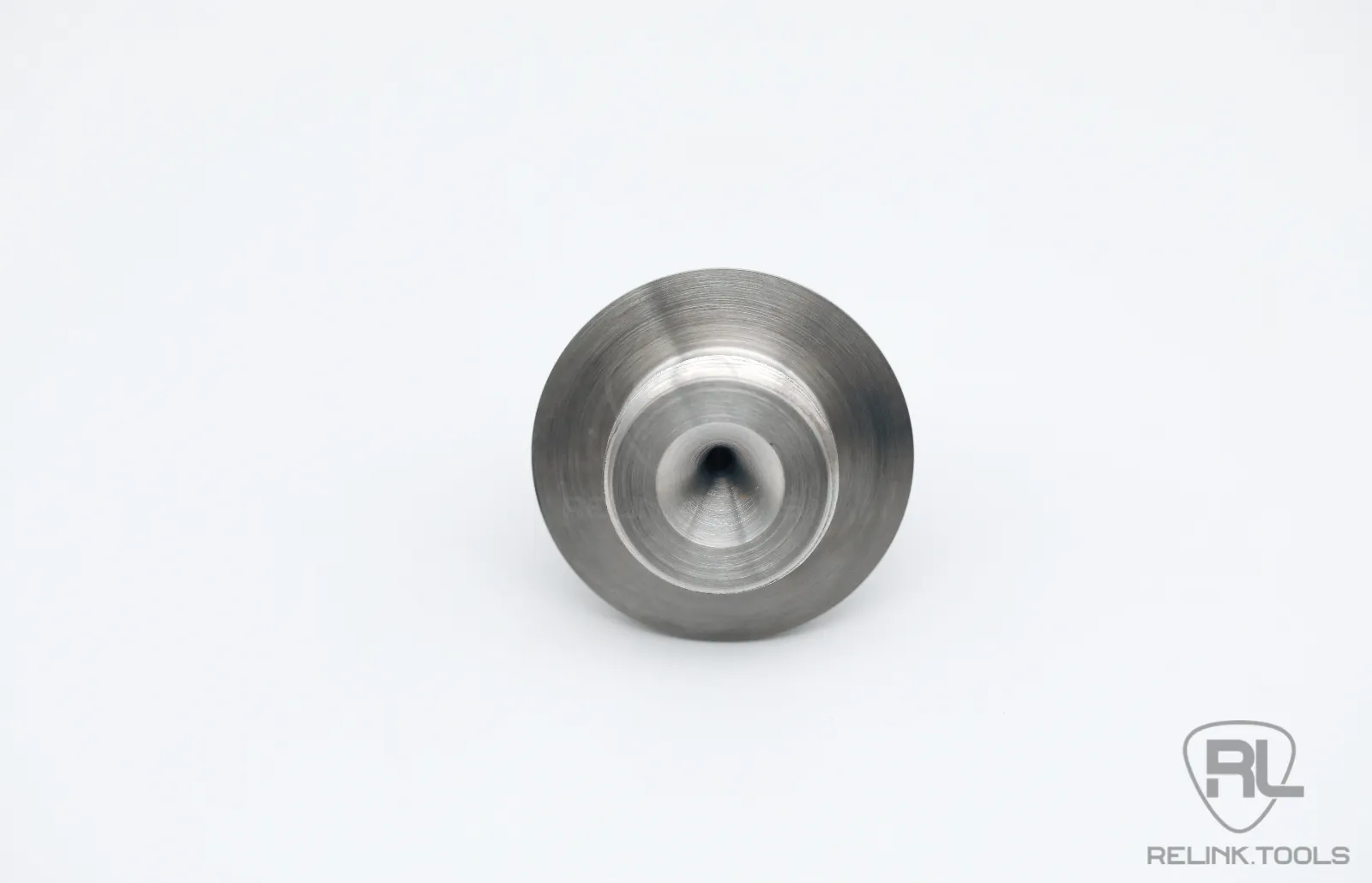
Product details display
Request a Quote
Get In Touch QuicklySend us your machine model or drawing, the wire or material, and the quantity. We will prepare a quotation.