


Tungsten Carbide Wire Drawing Dies
Tungsten Carbide (TC) drawing dies provide a reliable and economical solution for wire drawing operations, particularly in applications involving medium to large wire sizes and materials that generate moderate to high wear.
Category: Wire Drawing Dies
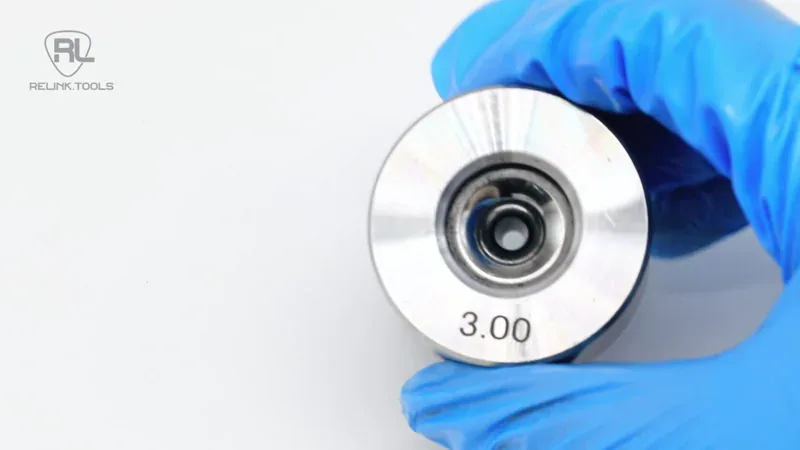
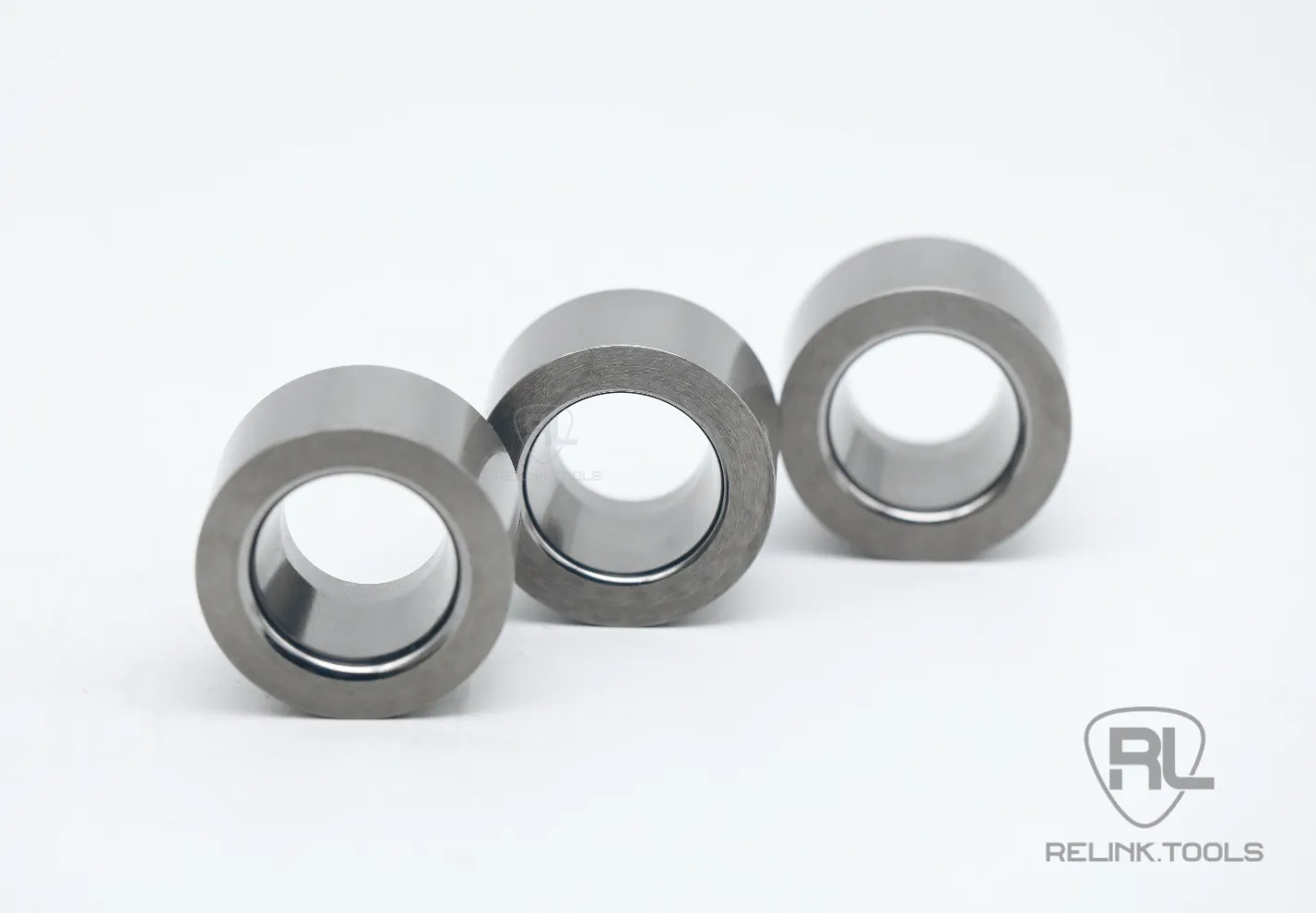
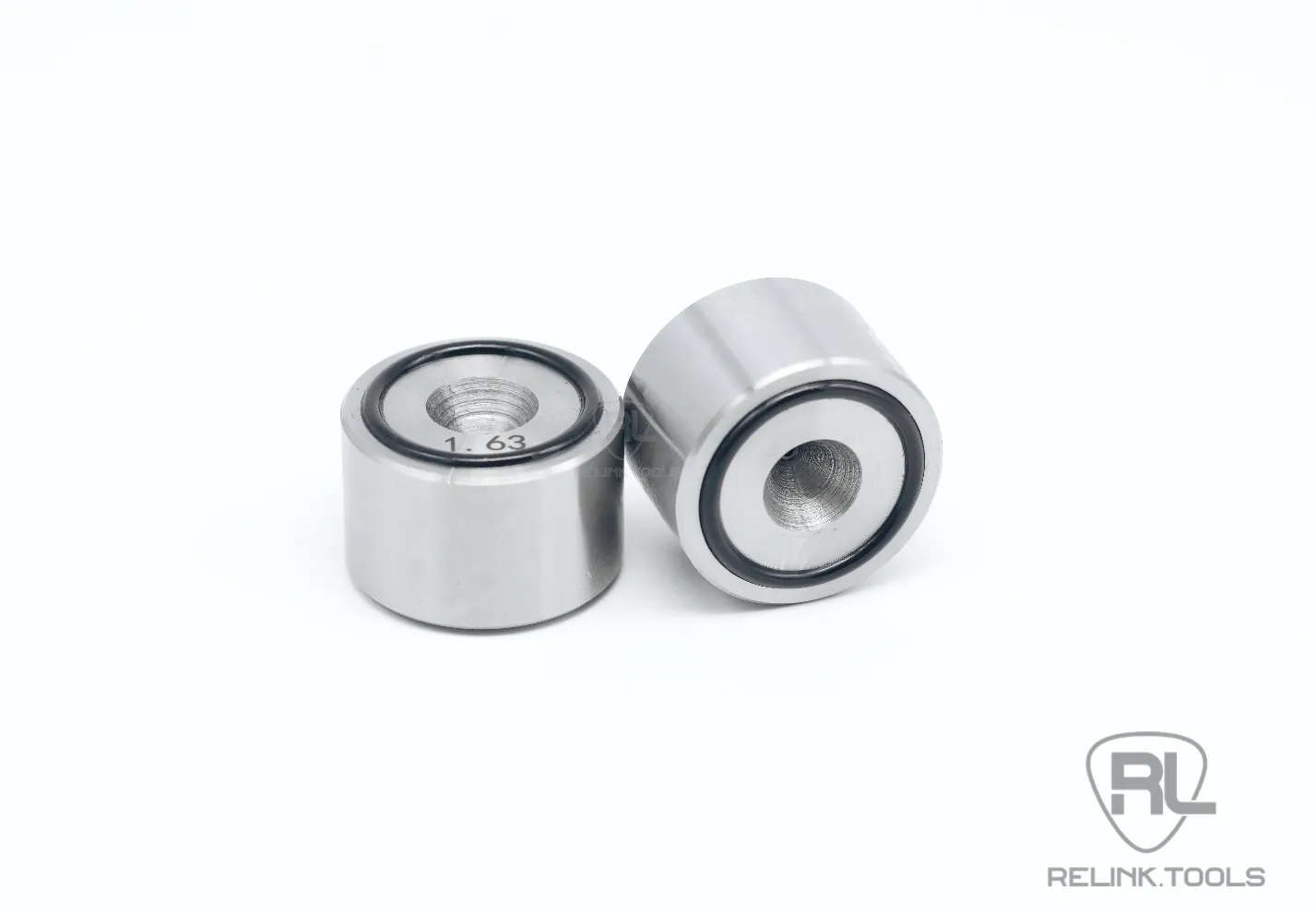
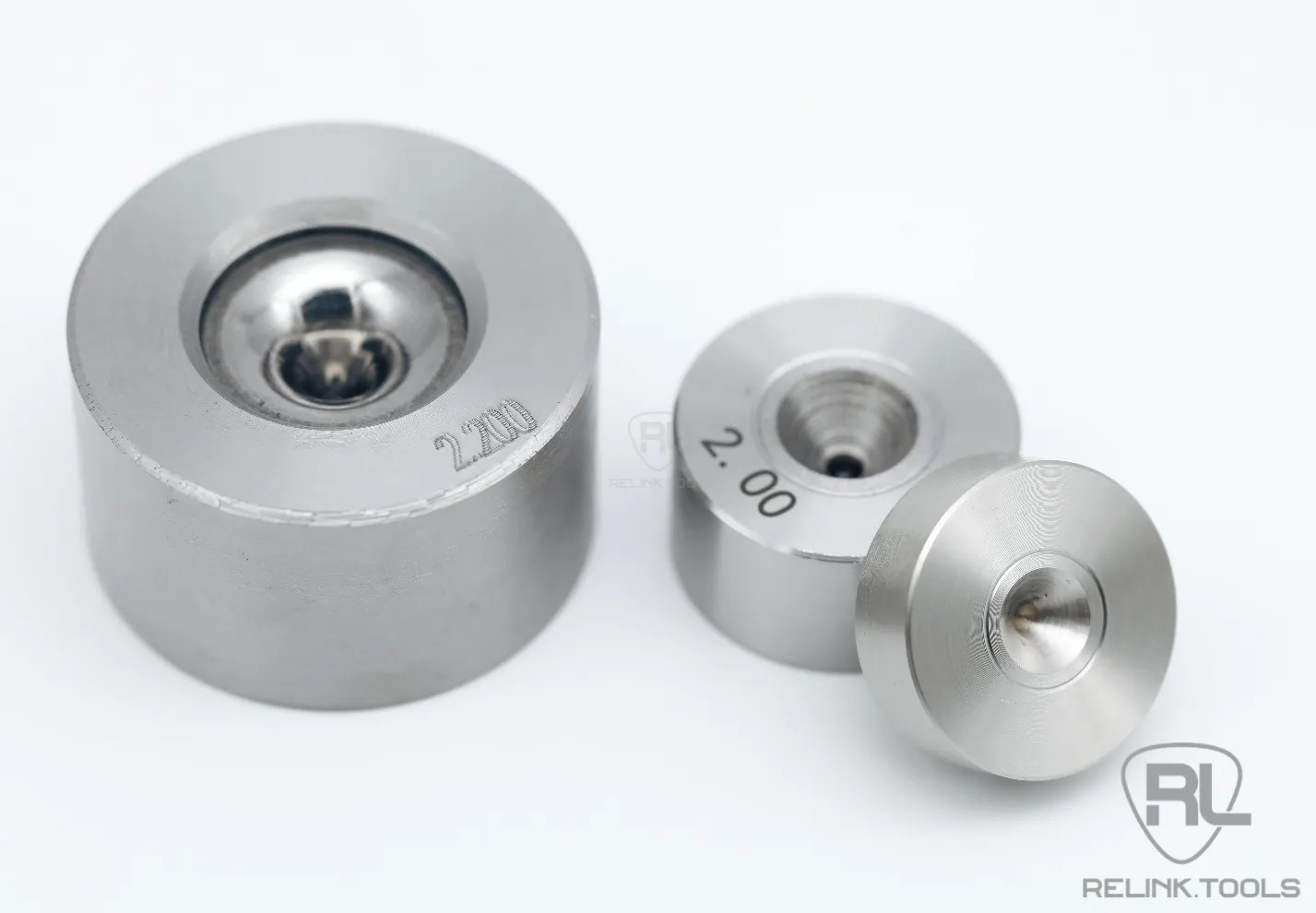
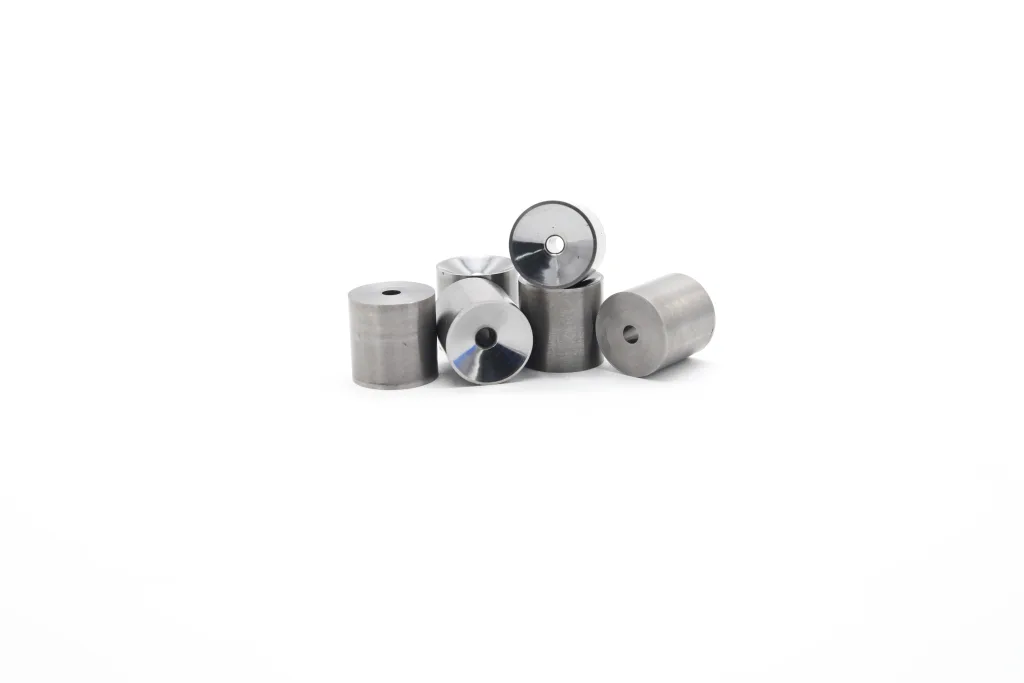
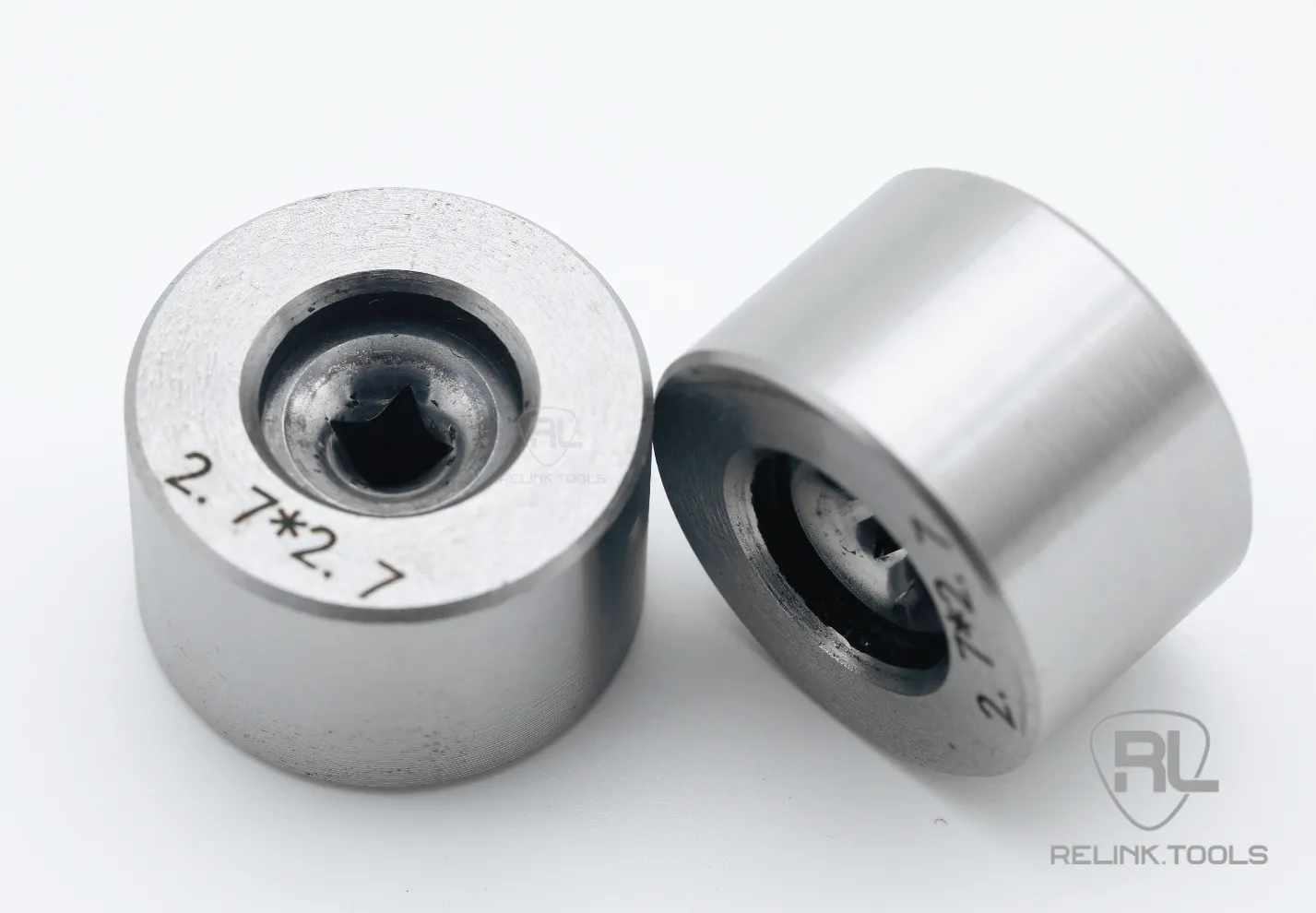
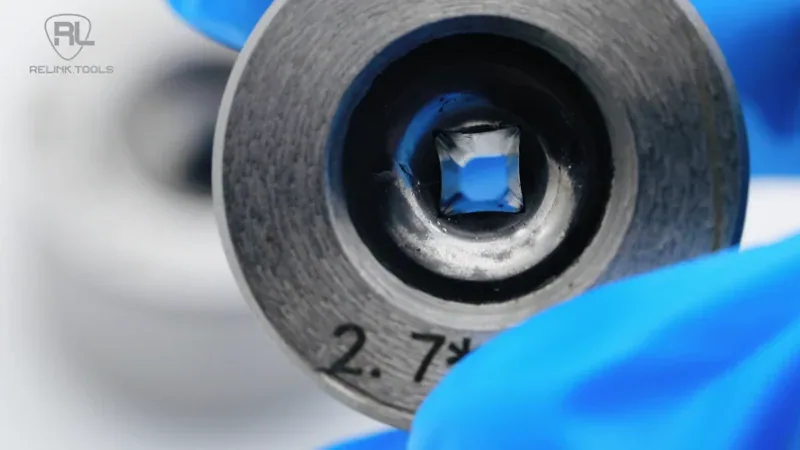
A tungsten carbide (TC) wire drawing die is a carbide insert with a precisely shaped bore, mounted in a steel casing; the wire is reduced in diameter as it is pulled through. These dies consist of high-quality tungsten carbide inserts securely mounted in durable steel or alloy casings. The tungsten carbide material offers exceptional hardness, compressive strength, and abrasion resistance, making it well-suited for demanding drawing conditions.
Overview
Overview
How to Start Your Trial Order?
Key Advantages
-
Cost-Effective Balance: TC dies deliver strong performance at a lower initial cost compared to premium alternatives, making them ideal for ferrous rod-size wires, shorter production runs, trial productions, or situations where maximum die longevity is not the top priority.
-
Broad Size Availability: They support a wide diameter range, from finer wires up to large rod sizes, accommodating diverse wire processing requirements.
-
High Wear Resistance: The material’s superior hardness and density help maintain consistent hole geometry, wire surface quality, and dimensional accuracy over extended use, even under abrasive conditions.
-
Strong Suit for Ferrous Wires: Especially effective for drawing high-carbon steel, low-carbon steel, stainless steel, alloy steels, and similar ferrous materials where wear rates are higher.
-
Customizable Design: Dies can be tailored with specific entrance angles, reduction cones, bearing lengths, and exit profiles to optimize performance for different alloys, drawing speeds, lubricants, and process conditions, reducing wire breaks and improving overall efficiency.
Typical Applications
-
Production of steel wires, including spring wire, rope wire, prestressed concrete (PC) strand, welding wire, and cold heading quality wire.
-
Rod breakdown and intermediate drawing stages.
-
Short-run or prototype manufacturing where frequent die changes or adjustments are expected.
-
Sectors such as automotive, construction, energy, fencing, infrastructure, and general wire production.
Comparison to Other Die Types
Compared to single crystal diamond (natural diamond) or polycrystalline diamond (PCD) dies, TC dies generally have a shorter service life in high-wear or high-volume scenarios but offer significantly lower cost per unit. They outperform basic steel or alloy dies in durability and wire finish quality, while remaining more economical than diamond-based options for larger diameters or less precision-critical applications. For many ferrous wire drawing needs, TC dies represent the optimal choice for balancing cost, performance, and productivity.
Additional Features & Options
Precision Tolerances: hole size and tolerance to your specification, confirmed per order. Inspection: each order ships with a full dimensional inspection report.
Tungsten carbide drawing dies combine proven material technology with practical engineering to support efficient wire production, consistent quality, and reduced operational costs in a variety of industrial settings. For specific size recommendations, tolerances, or application guidance, send us your wire grade, sizes and drawing speed — we will recommend the die type.
T.C Drawing Dies – Feature
Tungsten carbide drawing dies are engineered for reliable performance in demanding wire drawing applications, particularly where abrasion resistance and cost efficiency are critical. The core insert is made from premium-grade tungsten carbide, sintered and finished, then securely mounted in a high-strength steel or alloy casing for protection and easy handling.
Core Material Advantages
-
Exceptional Hardness & Compressive Strength — Tungsten carbide provides superior resistance to deformation under high drawing pressures and forces, maintaining hole geometry even during heavy reduction passes.
-
Outstanding Abrasion & Wear Resistance — The material excels in resisting the abrasive action of ferrous wires (such as high-carbon, low-carbon, stainless, and alloy steels), resulting in significantly longer service life compared to softer die materials in similar conditions.
-
High Thermal Conductivity & Stability — Efficient heat dissipation during drawing helps prevent overheating, reduces thermal cracking risks, and supports stable performance at elevated drawing speeds.
-
Consistent Surface Finish Quality — Polished carbide surfaces deliver smooth, uniform wire surfaces with minimal scratching or marking, helping maintain tight dimensional tolerances and high-quality end products.
Performance & Operational Benefits
-
Extended Die Life in Ferrous Applications — Ideal for rod breakdown, intermediate, and fine drawing of steel wires, where wear rates are high—offering a strong balance between durability and tooling cost.
-
Predictable & Repeatable Results — Tight manufacturing tolerances and uniform carbide microstructure ensure consistent reduction behavior, reduced wire breaks, and stable back tension across production runs.
-
Versatile for Various Drawing Conditions — Performs well with different lubricants (wet or dry), drawing speeds, and reduction ratios, making it suitable for both continuous high-volume lines and shorter batch productions.
-
Lower Total Cost per Ton Drawn — When factoring in initial price, service life, and reduced downtime for die changes, TC dies provide excellent value in applications where premium diamond dies are not economically required.
Design & Customization Options
-
Optimized Internal Geometries — Available with tailored entrance angles, approach cones, reduction angles, cylindrical bearing lengths, and exit relief profiles to match specific wire alloys, lubrication types, and process parameters—maximizing drawability and minimizing defects.
-
Wide Range of Standard & Custom Sizes — Covers diameters from fine wires up to large rod sizes, with precise hole size control and options for special shapes or profiles when needed.
-
High-Quality Finishing — Advanced polishing and inspection processes deliver mirror-like bore surfaces for superior wire quality and reduced friction.
Refurbishment & Sustainability
-
Recutting & Relining Capability — Dies can be economically refurbished multiple times through recutting, repolishing, bore enlargement (within limits), or geometry adjustments—extending overall tool life and lowering long-term costs.
-
Compatibility with Multi-Stage Rework — Many TC dies remain serviceable after several refurbishments, supporting sustainable manufacturing practices.
These features make tungsten carbide drawing dies a practical, high-performance choice for steel wire producers seeking dependable results, good wire quality, and favorable economics in abrasive or medium-to-high volume drawing operations. For application-specific recommendations or detailed size/tolerance data, send us your wire grade, sizes and drawing speed — we will recommend the die type.
Specifications
Specifications
Tungsten Carbide drawing dies are produced to industry-standard specifications for reliable performance in wire drawing. Below are typical specifications, including size ranges, tolerances, casing dimensions, and other key parameters, compiled from common practices across high-quality manufacturers.
Die Size Range (Nominal Hole Diameter)
| Hole Diameter Range (mm) | Typical Application | Common Incremental Steps |
|---|---|---|
| 0.10 – 1.00 | Fine wire drawing | 0.01 mm |
| 1.00 – 5.00 | Intermediate drawing | 0.01–0.05 mm |
| 5.00 – 12.00 | Coarse / intermediate drawing | 0.05–0.10 mm |
| 12.00 – 40.00+ | Rod breakdown / large rod drawing | 0.10–0.50 mm or larger |
-
Minimum hole diameter: ~0.10 mm (fine wire)
-
Maximum hole diameter: Up to 50.00 mm or more (rod-size, custom larger available)
-
Other sizes and custom ranges available on request.
Hole Size Tolerances (Standard)
Hole size and roundness are made to your drawing tolerance and confirmed per order; standard and tight tolerances are both available.
- Bearing length tolerance: Typically ±10–20% of nominal length.
These specifications reflect widely accepted industry standards for tungsten carbide drawing dies used in ferrous wire production. Values can vary based on specific grade selection, manufacturer practices, or custom requirements. For detailed size charts, exact tolerances, or recommendations tailored to your wire material, reduction schedule, lubrication, or machine type, send us your wire grade, sizes and drawing speed — we will recommend the die type.
Compare
Comparison
For most steel wire, nano-coated dies now give 10× or more the life of carbide; below about 2 mm, or where dies are re-sized, PCD is the more economical choice.
FAQ
FAQ
How can I maximize the life and performance of TC drawing dies?
Use proper lubrication (wet emulsion/oil or dry soap). Control inlet wire condition (clean, scale-free). Optimize reduction ratios (avoid excessive per pass). Maintain cooling and alignment in the machine. Inspect dies regularly, and recut or replace them before wear becomes excessive. Match geometry to your specific process parameters.
What internal geometry parameters are most important in TC dies?
Key customizable elements include: Entrance angle (typically 60°–90°). Reduction/approach angle (6°–18°, often 8°–12° for ferrous). Bearing length (0.2–1.5 × hole diameter). Exit/back relief angle (30°–60°). Optimized geometry reduces wire breaks, improves lubrication flow, and extends life—tailor to your wire alloy, speed, and lubricant.
How do TC dies compare to PCD or natural diamond dies?
TC vs PCD: TC is cheaper upfront and better for tough/ferrous wires with impact; PCD lasts much longer in high-volume non-ferrous drawing (lower cost per ton in long runs). TC vs Natural/Single Crystal Diamond (ND/SCD): TC is far more economical and tougher; ND/SCD offers superior surface finish and precision but is brittle, expensive, and limited to small/fine sizes. Choose TC when budget, ferrous wire, or large diameters are priorities.
Can TC drawing dies be refurbished or recut?
Yes. A worn TC die can usually be reworked several times: Recutting to enlarge the bore slightly. Repolishing the bearing and angles. Geometry adjustments for changed conditions. How many times depends on the initial wear and the remaining carbide wall thickness. This is normally done in the wire plant's own die shop or by a local die service.
What is the typical cost range for TC drawing dies?
TC dies are among the most affordable options, with prices significantly lower than PCD or natural diamond dies. Cost depends on size, tolerances, custom geometry, and quantity. They provide excellent value in terms of cost per ton drawn, especially for shorter runs, trials, or abrasive ferrous applications.
For which types of wire are TC dies best suited?
TC dies excel with ferrous materials, including: High-carbon steel Low-carbon steel Stainless steel Alloy steels They handle abrasive conditions and rough inlet wire well. For high-volume production, nano-coated or PCD dies are usually more economical over the long run.
What are the main advantages of using TC drawing dies?
Excellent abrasion and wear resistance, especially for ferrous wires. Good compressive strength under high drawing pressures. Cost-effective compared to diamond-based dies. Wide size range (fine to large rod diameters). Suitable for refurbishment (recutting/polishing multiple times). They offer a strong balance of performance, longevity, and price for many applications.
What are tungsten carbide (TC) drawing dies, and how do they work?
TC drawing dies consist of a high-hardness tungsten carbide insert (core) securely mounted in a steel or alloy casing. During wire drawing, the wire is pulled through the precisely shaped carbide hole, reducing its diameter while the carbide’s wear resistance maintains hole geometry and wire quality over many meters of production.
Product details display
Downloads
Request a Quote
Get In Touch QuicklySend us your machine model or drawing, the wire or material, and the quantity. We will prepare a quotation.