

Drawing high-carbon wire: which die where
From rod to high-carbon wire
High-carbon wire — for prestressed concrete strand, springs, wire rope, bead wire and tyre cord — is drawn dry through a string of dies on a multi-block machine, with a drawing powder as lubricant. The wire is hard, the reductions are heavy and the speeds are high, so the dies work harder here than anywhere else in the wire trade. Which die material goes in which position is the main decision on this line.
Relink.Tools supplies nano-coated, PCD and tungsten carbide dies and the drawing powder to go with them, and matches the set to your machine and pass schedule.
What you get
- A die string proposed from your machine model, rod size, finished size and number of blocks.
- Die material by position — nano, PCD or carbide — rather than one material for the whole string.
- Self-supported PCD for the fine sizes, carbide-supported PCD where that is the better fit.
- Single-crystal and natural diamond dies supplied on request.
- Wire rod
- Descaling
- Rod breakdown
- Intermediate and finish drawing
- Finished wire
strand · spring · rope · bead
What are you making?
PC strand and PC wire
Heavy sizes drawn in few blocks from high-carbon rod. The breakdown and intermediate positions carry most of the load; nano-coated dies are our usual suggestion there, with carbide dies for trial sizes.
Spring wire
Medium to fine sizes with tight tolerance on diameter and surface. Nano-coated dies for the running positions; for fine spring wire, self-supported PCD in the last positions.
Rope wire and bead wire
Fine, hard wire drawn at speed. Fine high-carbon sizes are where self-supported PCD earns its cost: it holds size longer and can be recut. Below roughly 2 mm it is usually the more economical choice over nano.
What each stage needs
1. Descaling
Mechanical descaling cracks the scale off the rod before the first die. Carbide descaling rolls last a long time on this stage.
Supplied as: carbide descaling rolls · Made to: descaler model · Ask for: rod diameter, descaler model. → Descaling rolls
2. Rod breakdown
The first blocks take the biggest reductions. Carbide dies are the traditional choice; nano-coated dies run longer between changes and keep the size steadier through the shift.
Supplied as: carbide and nano-coated dies · Made to: pass schedule or machine model · Ask for: rod diameter, size after breakdown, number of blocks. → Tungsten carbide dies · Nano-coated dies
3. Intermediate and finish drawing
Here the die material is chosen by position. Nano-coated dies for the sizes you run every day; PCD — self-supported for fine wire, carbide-supported for larger sizes — where the wire is fine and the run is long; carbide dies for short runs and trials. Shaped dies for flat and profile spring wire are made to drawing.
Supplied as: nano, PCD and carbide dies; shaped dies · Made to: machine model and pass schedule · Ask for: machine model, finished diameter and tolerance, speed if known. → Compare die materials · Shaped dies
4. Lubrication
Dry drawing powder matched to the wire grade, the die material and the speed.
Supplied as: dry drawing lubricant · Ask for: wire grade, sizes, dry or wet. → Wire drawing powder
What we supply for this line
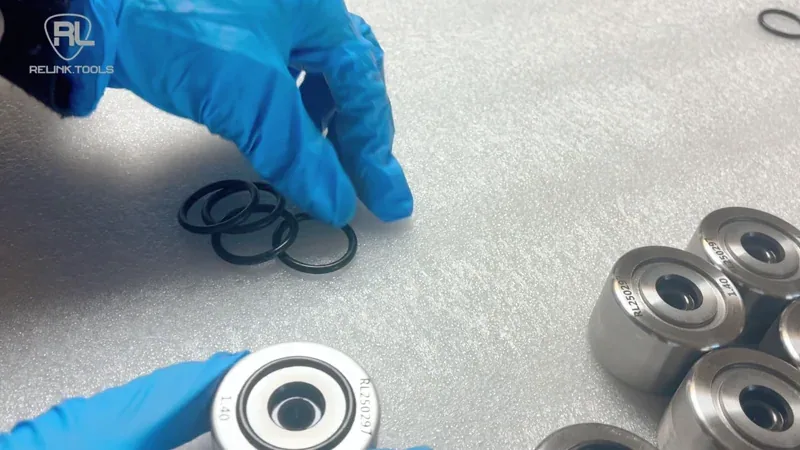
- Nano-coated diesOur default for the running sizes.
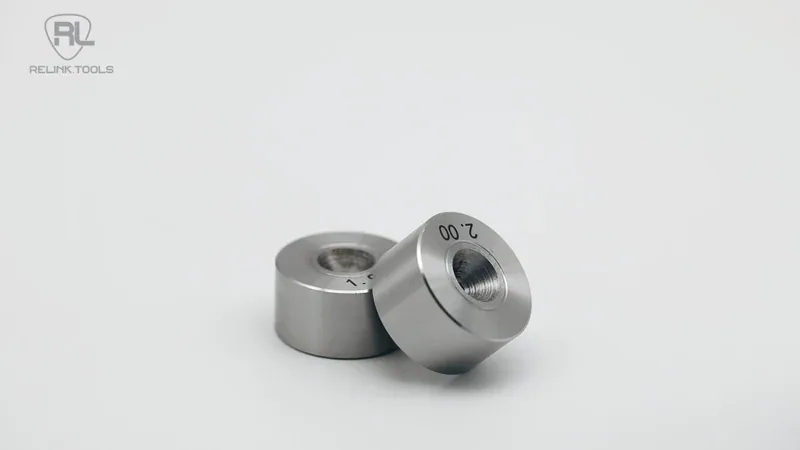 PCD diesSelf-supported and carbide-supported, for fine and long runs.
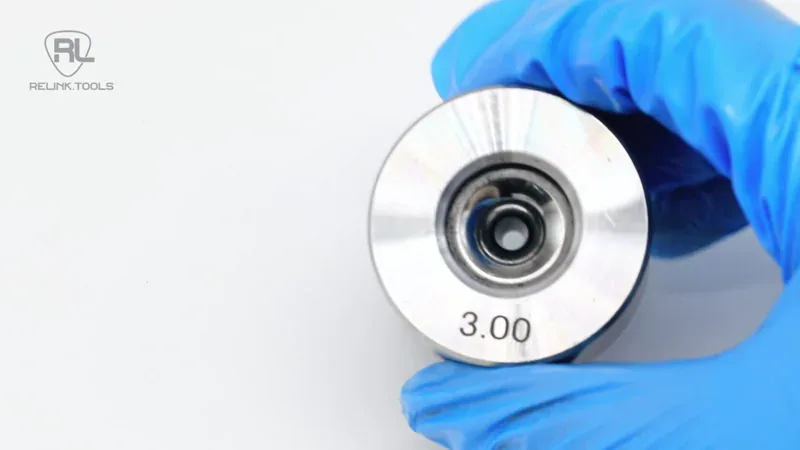 Tungsten carbide diesShort runs, trials and breakdown.
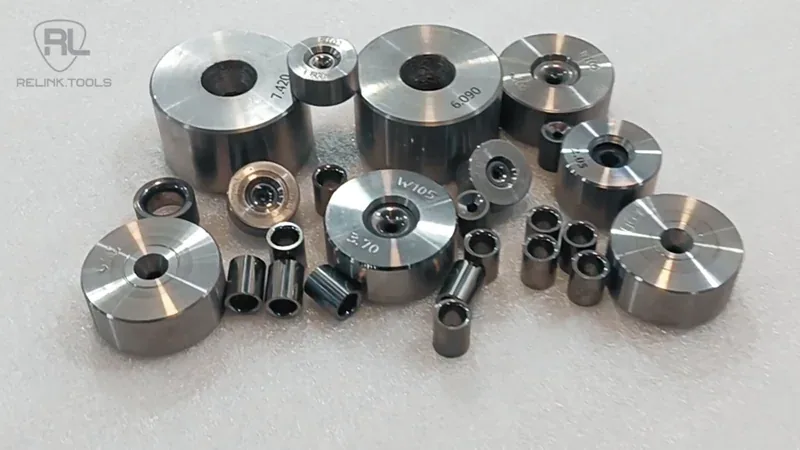 Compare die materialsNano, PCD, carbide, SSCD and ND side by side.
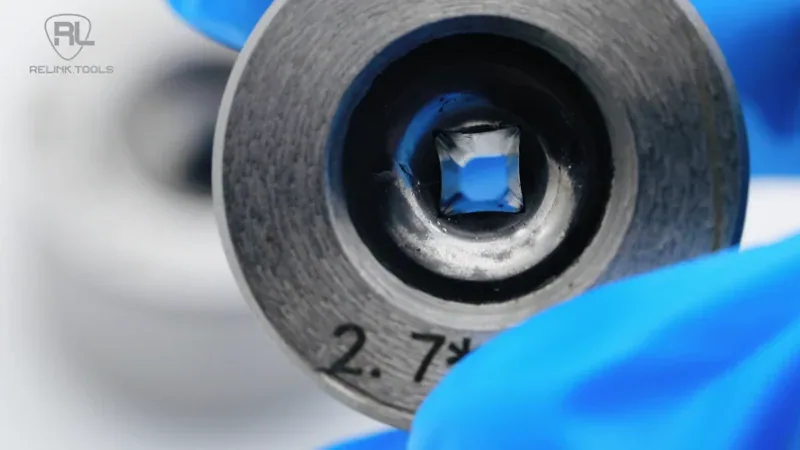 Shaped diesFlat and profile wire to drawing.
 Wire drawing powderDry drawing lubricant.
What we need to quote
What you need, the drawing machine model, and an email or WhatsApp number start the quote. Then, when you can:
- Die string: rod diameter, finished diameter and tolerance, number of blocks or your pass schedule, wire grade, speed.
- Single positions: the position in the string, size, material preference if any.
- PCD: finished size and whether you want self-supported or carbide-supported blanks.
- A photo of the die case or your existing die drawing.
Our suggestions
Choose the material by position, not for the whole string. The breakdown blocks and the finishing blocks do different work. Nano-coated dies where the volume is, PCD where the wire is fine and the run is long, carbide where you are trialling a size or running a short lot — one string, three materials is normal.
Count the die cost per tonne, not per die. A nano die costs more than a carbide die and cannot be recut; it runs many times longer and holds size, so fewer stops and less off-size wire. A carbide die can be recut to the next size, which is why it still makes sense for short runs.
For fine high-carbon wire, ask about self-supported PCD. Bead wire, fine rope wire and fine spring wire are where PCD is at home: below about 2 mm it is usually the more economical option, and it can be recut several times.
Questions high-carbon wire plants ask
Which die material should I use for PC strand wire?
For the running sizes, nano-coated dies in the breakdown and intermediate positions; carbide dies for trials and short runs. Tell us the machine and the pass schedule and we propose the string position by position.
When is PCD worth it on high-carbon wire?
On fine sizes and long runs — bead wire, fine rope and spring wire. Below roughly 2 mm PCD is usually more economical than nano, and a PCD die can be recut several times. Above that, nano-coated dies are normally the better choice.
Can I mix die materials in one string?
Yes, and most high-carbon lines should. Material by position is how we quote a string.
Do you supply single-crystal or natural diamond dies?
On request, for the finest sizes. They are not stocked; tell us the size and the application.
What do you need from me to quote a die string?
Machine model, rod and finished diameters, number of blocks, wire grade and the speed if you know it. For a single replacement die, the position and size are enough.
Request a Quote
Get In Touch QuicklySend us your machine model or drawing, the wire or material, and the quantity. We will prepare a quotation.