

Worn Diamond Tools: Are They Only Good for Scrap?
In this article
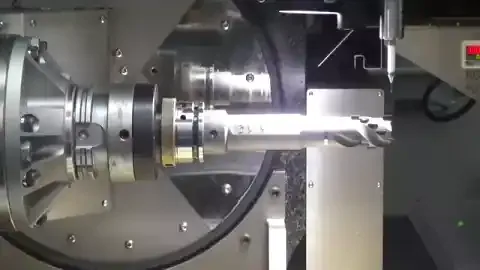
Worn Diamond Tools: Are They Only Good for Scrap? Unveiling the “Rebirth” Secret of Superhard Tools!
In the modern steel rolling industry, with the widespread application of tungsten carbide rolls, PCD superhard tools have become the main force in machining these rolls, with higher efficiency and longer life than conventional carbide tooling. However, once these valuable superhard tools are worn, must they be shelved or even scrapped?
The answer is: No!
In practice, many worn diamond tools can be reground and put back into service. This not only significantly reduces production costs but is also a key step towards achieving cost reduction, efficiency improvement, and technological innovation.
Diamond Tools: Why and How Do They Wear?
During the machining of tungsten carbide rolls, diamond tools face severe challenges. Whether it’s milling cutters for crescent grooves or turning inserts for hole profiles, wear is inevitable. This wear is not from a single cause, but the result of several complex mechanisms working together:
-
Mechanical Abrasive Wear: This is the most common “culprit.” Imagine microscopic hard particles on the workpiece surface acting like countless tiny knives, repeatedly scratching the tool surface, forming grooves over time. Additionally, built-up edge or chips not cleared in time can be repeatedly squeezed and rubbed between the tool and the workpiece, accelerating local “fatigue” on the tool, eventually leading to micro-cracks and the dislodging of diamond crystals.
-
Fatigue Wear: During their manufacturing, diamond tools can sometimes have microscopic defects or internal stress cracks invisible to the naked eye. In the cutting process, the cutting edge is subjected to continuous cyclic impact forces. Especially in high-speed cutting, the immense instantaneous impact is more likely to expand these micro-cracks, leading to chipping of the edge or flaking of small diamond pieces. The harder the material, the more prone the tool is to “fatigue.”
-
Chemical Wear: This is a more subtle form of wear.Graphitization: Diamond becomes unstable at high temperatures and tends to transform into graphite, which has extremely low hardness. High temperatures in the machining zone accelerate this transformation, causing the tool surface to soften rapidly and then be easily removed by mechanical friction.Adhesive Wear: small amounts of material from the tool and workpiece bond under heat and pressure and are torn away as they move apart. (Diamond's unsuitability for steel is a separate issue: at cutting temperatures, carbon diffuses into iron and the diamond rapidly degrades.)
Breaking the Bottleneck: The “Rebirth” Solution for Diamond Tools
Given these wear mechanisms, scrapping a worn PCD tool is often premature. Dedicated regrinding fixtures for PCD milling cutters and turning inserts make repair practical.
A good regrinding fixture offers:
-
Precise Fixturing: Through cleverly designed threaded rods, bearings, and clamping blocks, the diamond milling cutter or turning insert can be held firmly, ensuring stability during the regrinding process.
-
Flexible Adjustment: The platform features a precise angle adjustment function. By turning limit nuts and rotating blocks, operators can position the tool at the optimal grinding angle based on its specific wear condition, achieving precise regrinding.
A New Life for Worn Tools
Regrinding extends the service life of diamond superhard tools and brings tangible cost savings, and promoted green manufacturing and sustainable development in the steel rolling sector.
Worn diamond tools are no longer waste but treasures waiting to be “awakened.” With the right fixture and technique, these superhard tools get a second life.
Are you also facing similar tool wear problems? What other questions or expectations do you have about diamond tool repair technology?
Did this answer your question?