

Strategic Growth in a High-Cost Era: Leveraging Nano Drawing Dies to Hedge Against Tungsten Volatility
In this article
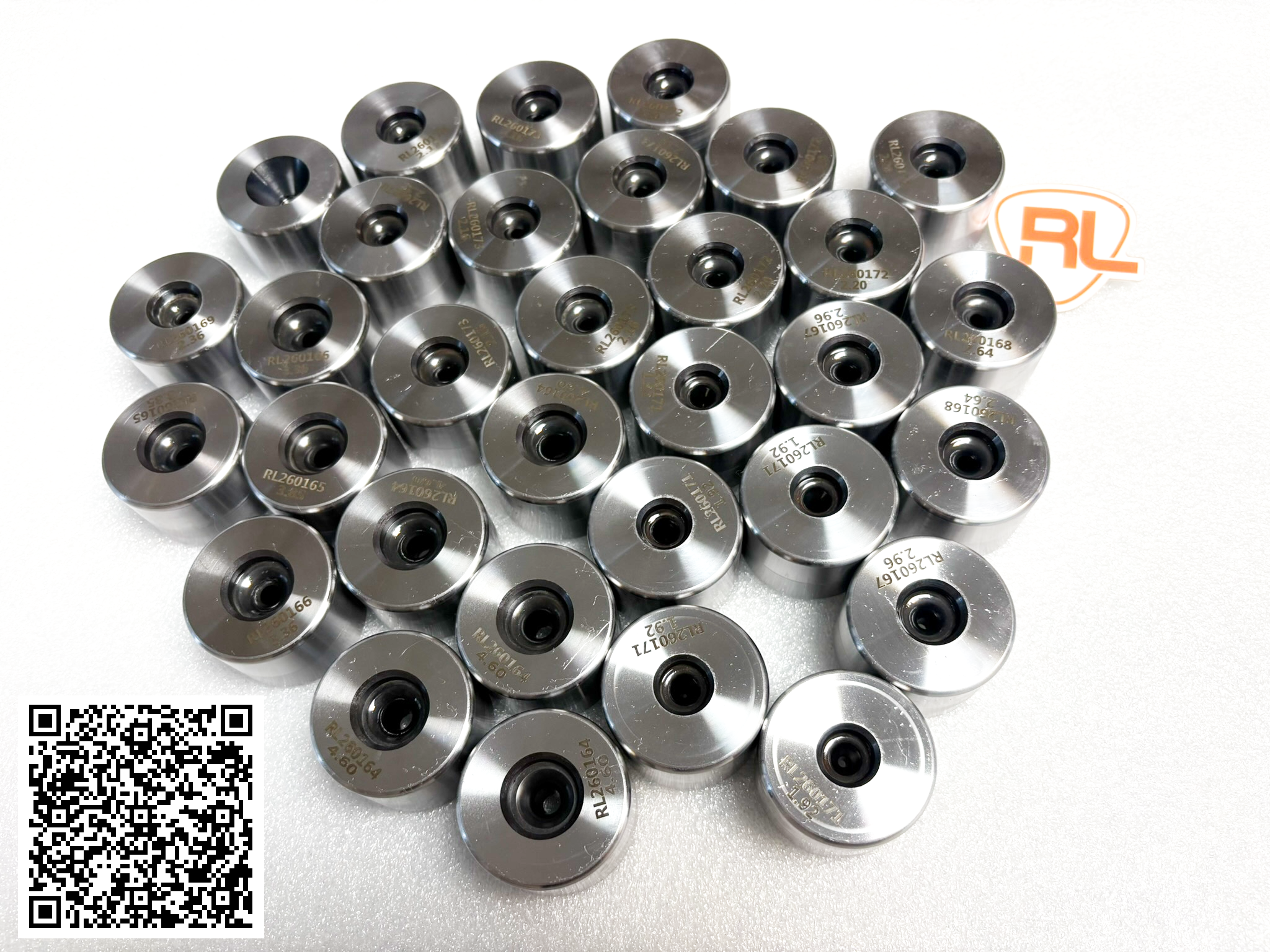
Overview: how nano drawing dies help wire manufacturers hold their margins and cut die cost per ton while tungsten prices sit at record highs.
📱 WhatsApp: +86 150 7410 7929 — contact our technical team for a quote
The 2026 Crisis: Tungsten Volatility as a Business Threat
With Chinese tungsten concentrate prices at record highs in Q1 2026, traditional wire drawing operations relying on standard tungsten carbide dies are facing a “margin squeeze.” To maintain stable growth, forward-thinking enterprises are pivoting from Resource-Dependent models to Technology-Driven efficiency.
The solution lies in the adoption of Nano Drawing Dies.
1. Core Advantages of Nano Drawing Die Technology
Nano dies represent a generational leap over traditional carbide tooling. By integrating Nano-Diamond coatings, these dies offer:
-
Extreme Wear Resistance: a diamond working surface that typically lasts 10× or more the life of tungsten carbide (TC) dies.
-
Ultra-Low Friction Coefficient: A nano-smooth surface reduces drawing force, lowering energy consumption and preventing wire breakage.
-
Superior Thermal Stability: Maintains precise hole diameters during high-speed drawing, ensuring consistent wire tolerances.
2. Decoupling Production Costs from Tungsten Prices
When the price of tungsten APT hits 1.5 million RMB/ton, every gram of tungsten in your tooling becomes a liability. Nano dies allow you to “de-risk” your supply chain:
Reducing “Tungsten Content per Ton of Wire”
Traditional dies are consumed rapidly, requiring constant repurchases of tungsten-heavy tooling. Because a single nano die replaces ten or more carbide dies, your purchasing frequency drops sharply. Even if the base cost of a single tool rises, the amortized cost per ton of finished wire decreases, effectively insulating your bottom line from tungsten market fluctuations.
3. Driving Stable Growth: Strategic Pathways for 2026
A. Maximizing Throughput (The Speed Advantage)
Lower friction and heat allow nano dies to run at higher drawing speeds than conventional carbide.
- Growth Factor: Increase your Units Per Hour (UPH) without increasing raw material input. This dilutes fixed costs and labor expenses, protecting your profit margins even as material costs rise.
B. Targeting High-Precision “Blue Ocean” Markets
As tungsten prices drive low-end manufacturers out of business, a “quality gap” emerges.
-
The Pivot: Use the precision of Nano Dies to produce high-value products like Photovoltaic (PV) ribbon, medical micro-wires, and aerospace-grade cables.
-
Growth Factor: These sectors are less price-sensitive and demand the extreme surface finish that only nano-technology can provide, allowing you to command a quality premium.
C. Implementing Digital Tool Management
Transition from reactive to predictive maintenance. By monitoring the ultra-long lifecycle of Nano Dies, firms can avoid “panic buying” during tungsten price peaks, ensuring a smooth, predictable CAPEX cycle.
Conclusion: The “Safe Haven” for Wire Manufacturers
In a market where tungsten prices have hit record highs, continuing to use low-life, high-tungsten-content dies is a gamble.
The Growth Logic for Q2 2026 and Beyond:
-
Immediate Term: Trial nano dies on the passes where carbide wears fastest.
-
Long Term: Transition your brand from “Volume-Based” to “Precision-Based,” completely decoupling your success from the volatility of raw metal commodities.
By integrating Nano Drawing Die technology, your enterprise transforms the strategic scarcity of tungsten into a unique competitive advantage.
Did this answer your question?